August Newsletter -2025
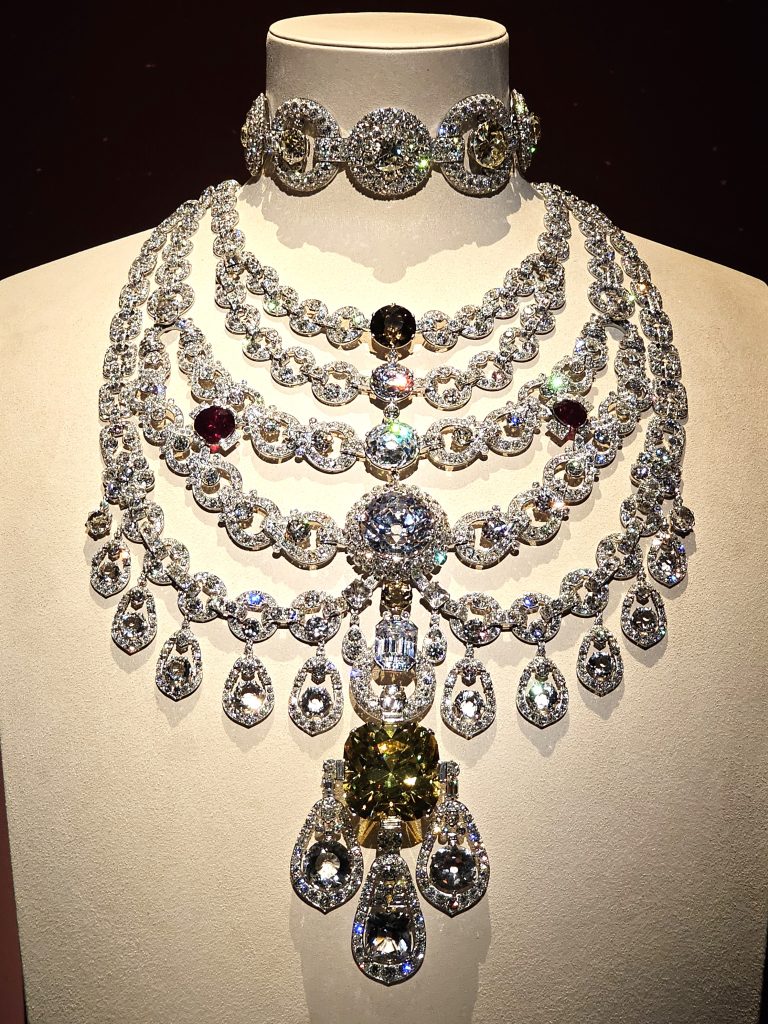
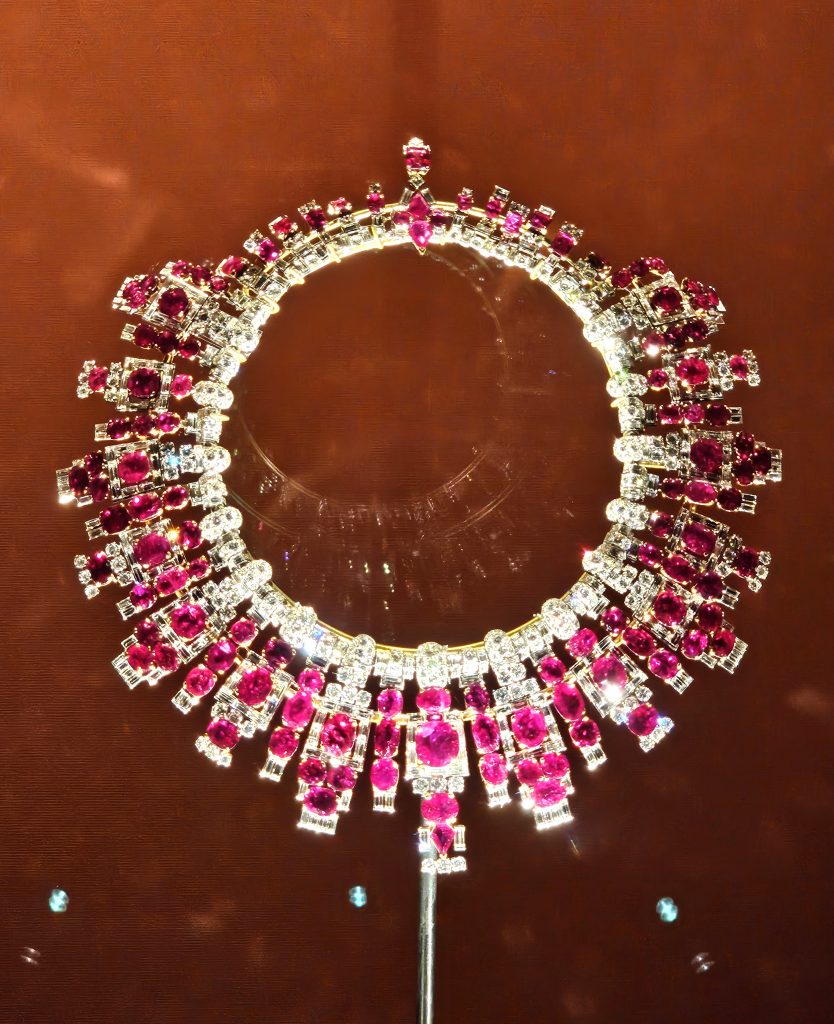
Hello! Spring was filled with fantastic knitting retreats that I was a part of, new fiber finds for you, and a few finished objects. Summer has been booming with a trip to England to study ganseys in Sheringham, knitting sheaths in the Dales, and a visit to the V & A Kensington, where I saw some of the most beautiful Cartier pieces imaginable. Bling. Bling. Bling!
Upcoming Classes
It was a great spring fling!
One of things I love about traveling is finding new fibers, and those who bring them to us. Dyers, mill owners, and of course farmers.
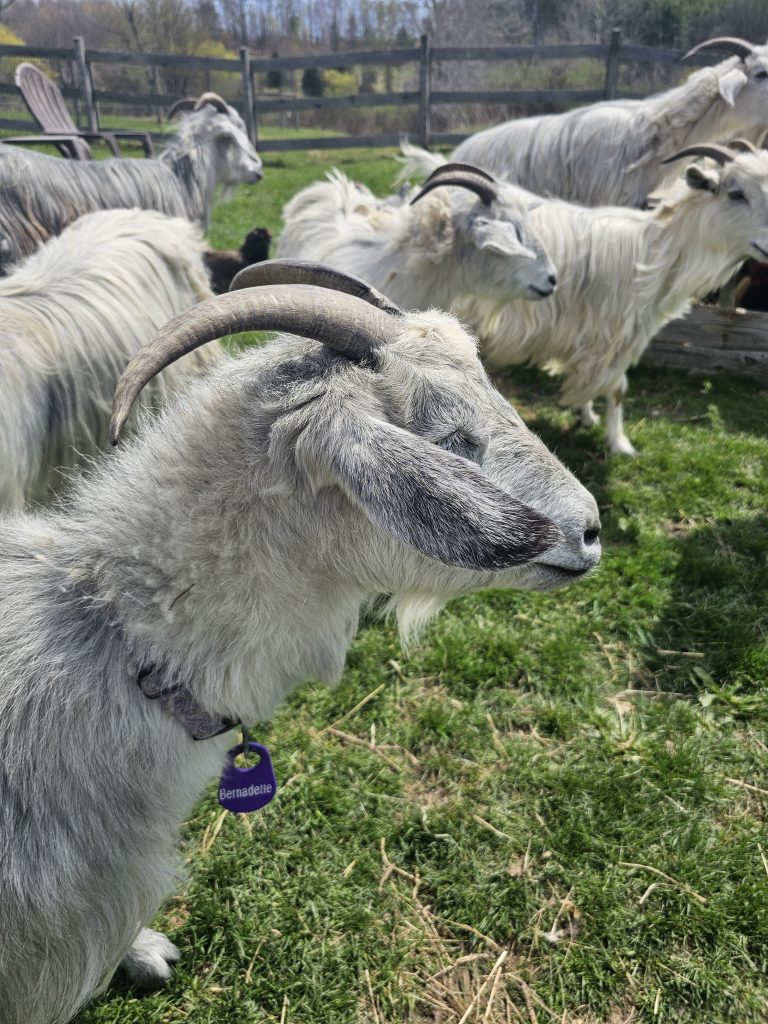
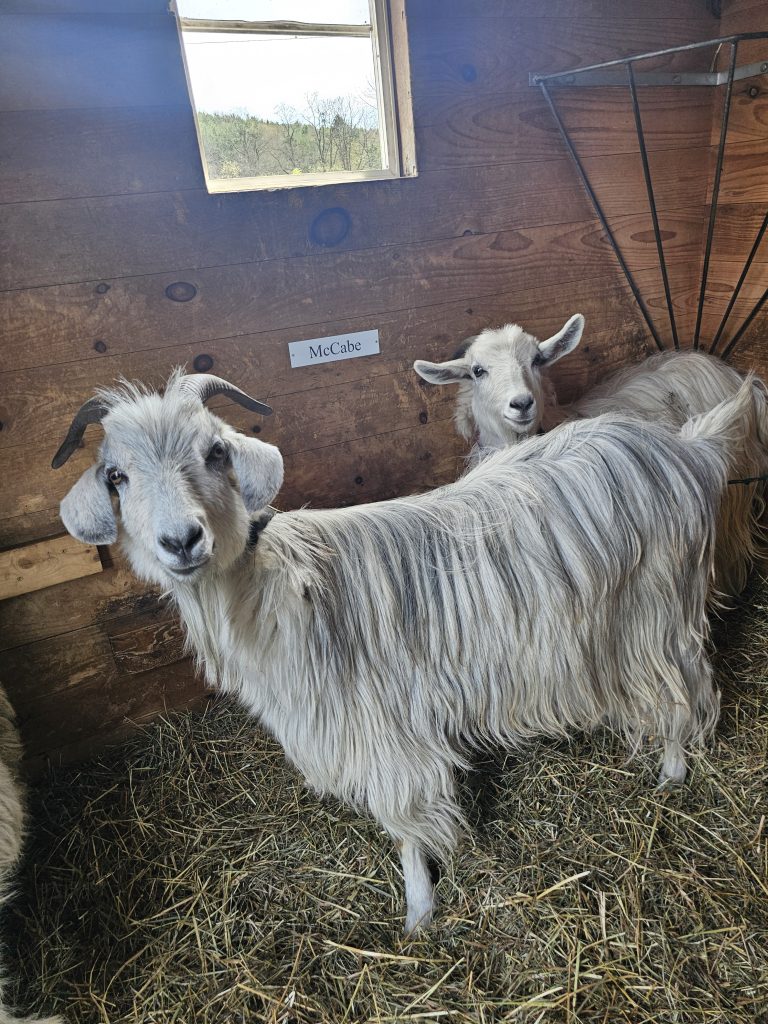
This spring I met was fortunate to meet Christine Hulse who, with her business partner Heidi Dickens, co-helms Clean Cashmere, at her farm in upstate NY. And, I got to visit Christine’s farm and meet the animals.
Christine and Heidi knew that the USA cashmere market was disappearing. But they had a vision of how it could be restored, stand up to international producers and still be sustainable, ethical, and local. “Their model centers on traceable sourcing from small U.S. farms committed to animal welfare, fiber quality, and environmental stewardship.” (Clean Cashmere website)
Clean Cashmere has several yarn bases ranging from pure cashmere to blends with Cormo, and Merino. All fibers are US grown.
These yarns are milled and dyed in the US. Clean Cashmere even sells roving both pure and blended! Spinners, you want this!
Visit their site and shop their patterns from some of your favorite designers as you make the difficult decision of which yarns to buy.
I’m thrilled to know this business exists, not just because the product is superlative, but because its focus is on the sustainability of the farm, ethical treatment of the animals, and reviving the once robust American cashmere market.
Happily Finished Objects
As promised last time, I’m sharing with you a couple of finished projects that I was working on in the spring.
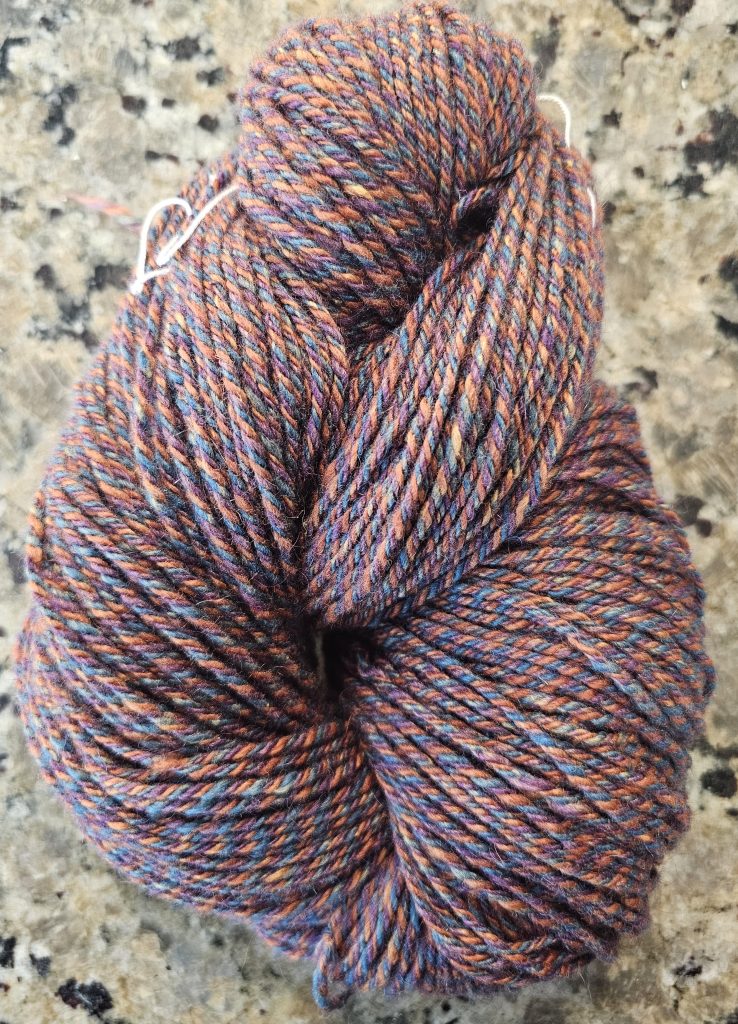
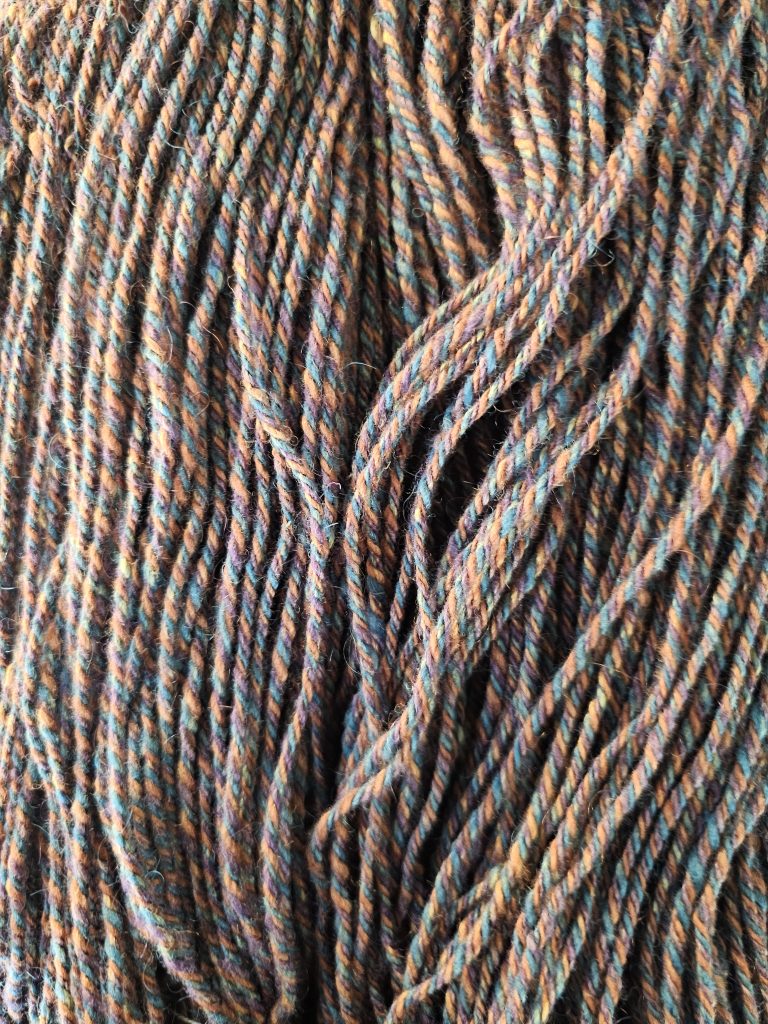
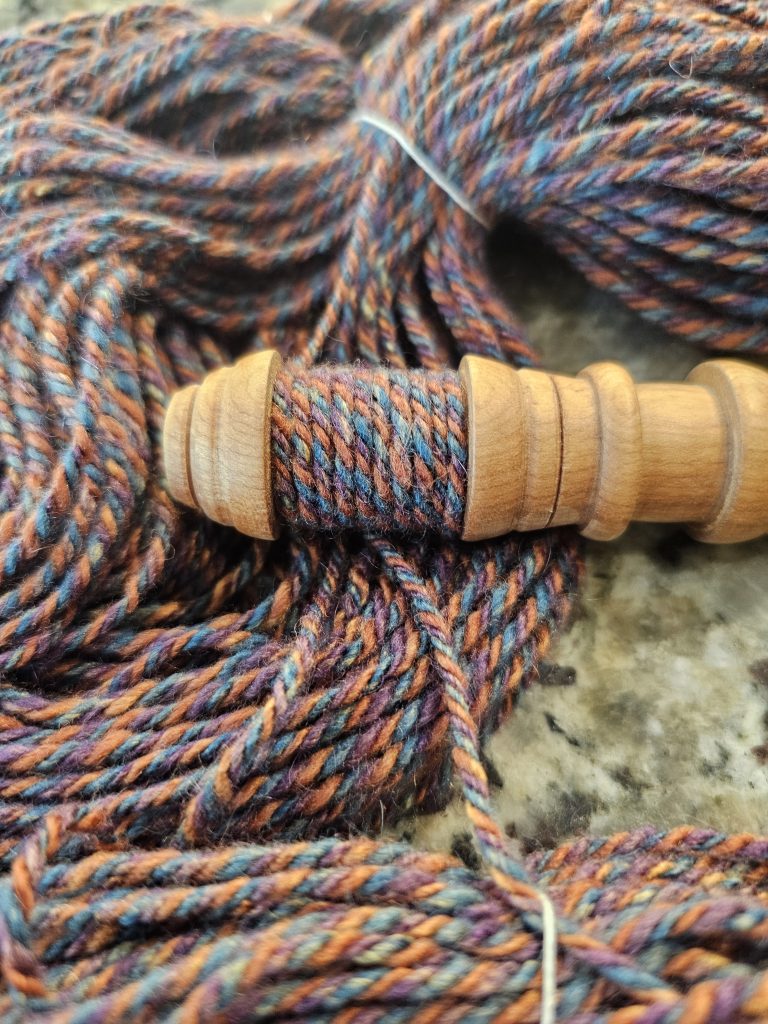
First, get a load of this yarn! You may recall this fiber is from Natural Twist Fibers located at Fibers on 4th in Albuquerque. This a blend of merino, mohair, and Eri silk.It was an absolute pleasure to spin, and honestly, I was a little sad when it was finished. But, I’ve got about 300 yards at a worsted weight. I’m thinking cozy cowl, but what would you make with it?
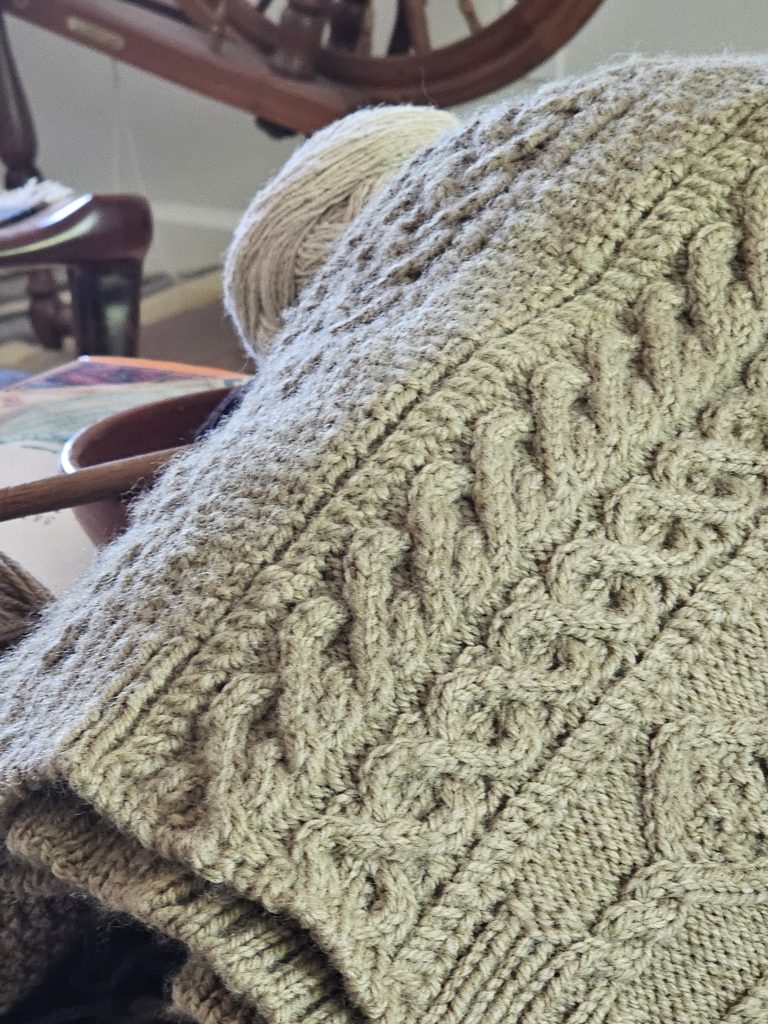
And then there’s this. The “Besty Sweater” is at last complete. It’s been too hot to even consider wearing it, but I’m sure glad it’s finished. I love this sweater and I’m sure it will be a big part of the fall and winter line up.
Let’s go to England!
I think my favorite travel is when I can do a deeper dive into knitting culture, history, and its tools, methods and products. So for me, the UK always checks off all the boxes!
My focus for this trip was a visit to Sheringham to look at their gansey collection, the Yorkshire Dales to look at knitting sheaths, and the Victoria and Albert to see their textile/fashion gallery and the Cartier exhibit.
There were plenty of other adventures in between, but for now I’ll just share a little about the sweaters, sheaths, and jewels with you here.
GANSEYS
Let’s start at the Sheringham Museum to see their gansey collection. I love gansey sweaters. First and foremost, they are beautiful, practical and have a rich history in both the world of knitting and fishing. They have a simple but interesting construction making them a really fun knitting project.
If you’re unfamiliar with what a gansey is, you probably just know it by another name, a Fisherman’s Sweater. Many books have been written about these sweaters. Port towns in the UK and Europe, especially Netherlands have very distinctive styles and this is reflected in the literature. If you’re interested in learning to knit one, I’d recommend starting with the work by Beth Brown-Reinsel and her website Knitting Traditions. Beth is such an authority that even the folks in Sheringham know her as an expert.
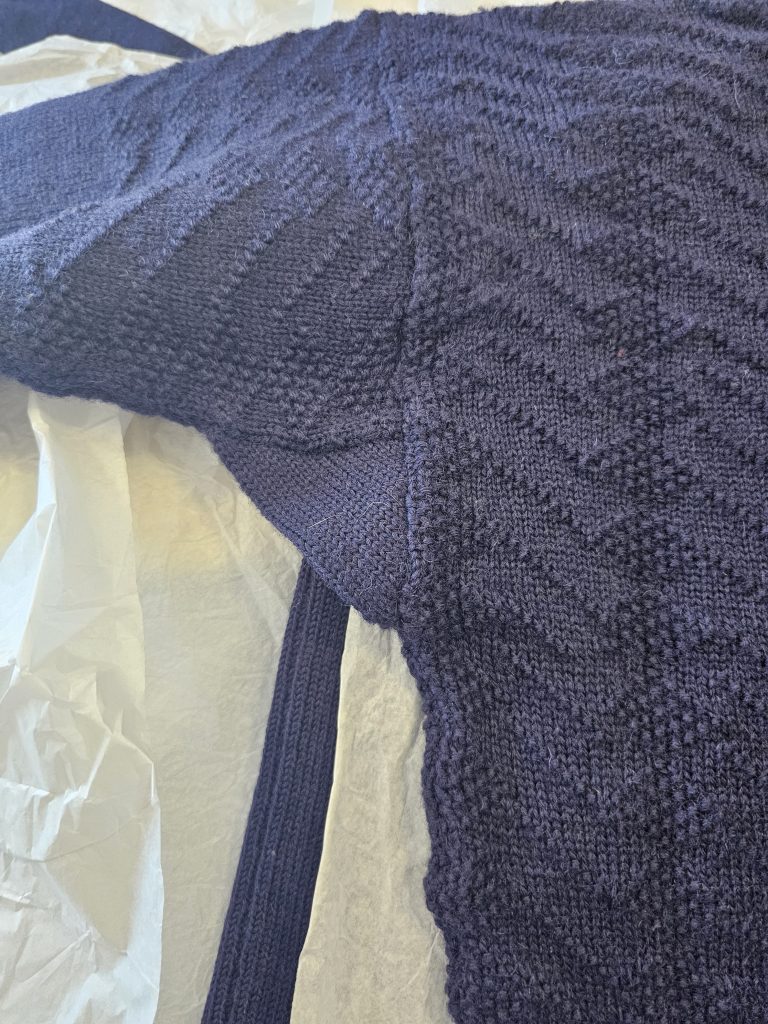
Thanks to the kindness of Lisa Little, curator and manager of the Sheringham Museum, I was able to see museum’s collection dating back to the late 19th and early 20th century. I’ll share some photos below. One of the things that made this visit so special is the continuity of history here. Lisa knows the families of some of the fishermen who wore these garments. She even know the knitters in many cases. Her knowledge is expansive and I’m so grateful for all she shared with me.
Now, ergonomically speaking, these sweaters are intriguing, especially if knitted in the traditional method with a knitting sheath or a knitting stick. The museum had many of these on display as did the Dales Countryside Museum (which I ‘ll talk about below). The sweaters are knit at a small gauge and the amount of stockinet does expose the knitter to concerns about repetition. But if you’re using a sheath or belt, the concern is much less. I’d suggest that if you knit one, be sure to incorporate frequent breaks, or pair it with another project that has your hands doing other movements (i.e., lace or cables) to break up the repetition. You’ll find stretches in my book and tips for project pairing.
For me, what makes gansey sweaters so fun is that their simplicity of stitches produce such intriguing texture. And, of course, their interesting construction.
Traditional gansey stitch patterns rely on knit-purl textured stitches to create patterns and motifs. Knit with a tightly spun and plied yarn, the patterns are crisp and distinct. They might be nautical references like waves, anchors or flags, but not always. Knitters would learn new motif patterns from knitters at the docks from other villages. The sweaters represent a sort of real-time stitch dictionary. Contrary to what you may have heard, the motifs are not family or fisherman specific, nor were they used to identify dead sailors. Although I suppose the knitter might recognize a sweater they’d made. But probably you’d recognize the face without the sweater anyway. Still, it makes for a romantic thought about knitting, I suppose.
They’re knit bottom-up in the round (less purling) with a faux seam that runs from the bottom all the way to the underarm and then down to the cuff (built-in stitch marker). After the bottom edge treatment – perhaps a simple rib stitch or even garter – much of the torso is knit with plain stockinet. Why? Because fishermen wore high-waisted pants to stay dry. So, why knit pattern if it’s covered up with pants? Smart! This makes for a fast and efficient knit. Things get really fun at the underarm where a diamond shaped gusset is made to allow for shoulder movement.
The traditional sweaters were knit with a fine gauge of between 13 to 15 stitches per inch. (I cast one on while I was there and I’m working at about 7.5 stitches per inch on a 2.5mm needle with a commercial yarn spun for ganseys.) It’s a lot of plain knitting! Of course these knitters used a sheath and traditional means of tensioning yarn, holding needles, etc., so they were fast!
The garments were made by family members for them men of the family who fished. Lisa informed me that sometimes ‘spare parts’ of sweaters were shared to make garments for men who didn’t have knitters to knit for them. Community knitting! I love it.
I’ve wanted to visit the Yorkshire Dales, and this museum in particular, for as long as I’ve been interested in the ergonomics of knitting. So, you can imagine how excited I was to finally get there.
I was, again, gifted with time and knowledge from the museum curator, Jane Sammells. Jane opened access to literally boxes of these beautiful knitting sticks, and gave me such a great talk about them. I’ll share photos of some of my favorites below.
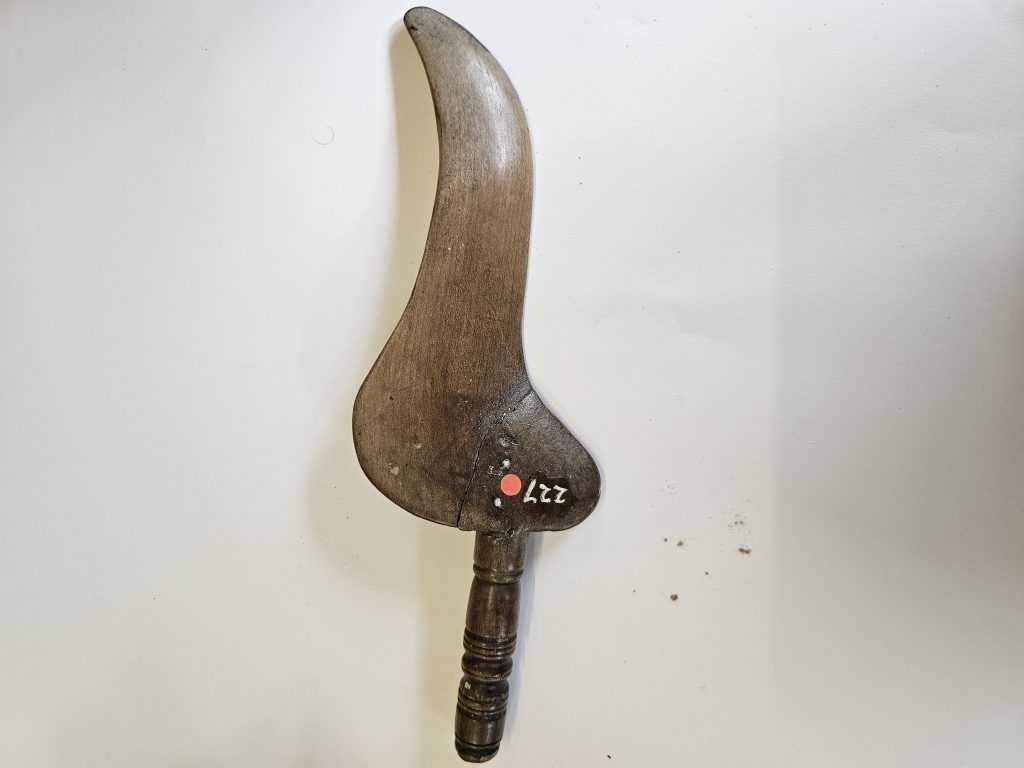
What’s a knitting sheath? It’s a tool that is tucked into your belt, apron waistband, or even under your arm to hold and stabilizes the receiving needle (usually right-hand side). This frees the right hand to only tension and “throw” the yarn. Sheaths were made in many forms and shape – from straight sticks that look like wands to beautiful wing shapes. They were made from a variety of materials, including wood, metal, bone and ivory. Some are made even from upcycled wood (an old piece or turned wood that may have belonged to a chair, for example). Some are very fancy, others plain and utilitarian.They were sometimes given by a gentleman to his significant other, or a parent to a child. On some of them you can find some sweet messages from the maker to the recipient. Others might have a clever saying or quip.
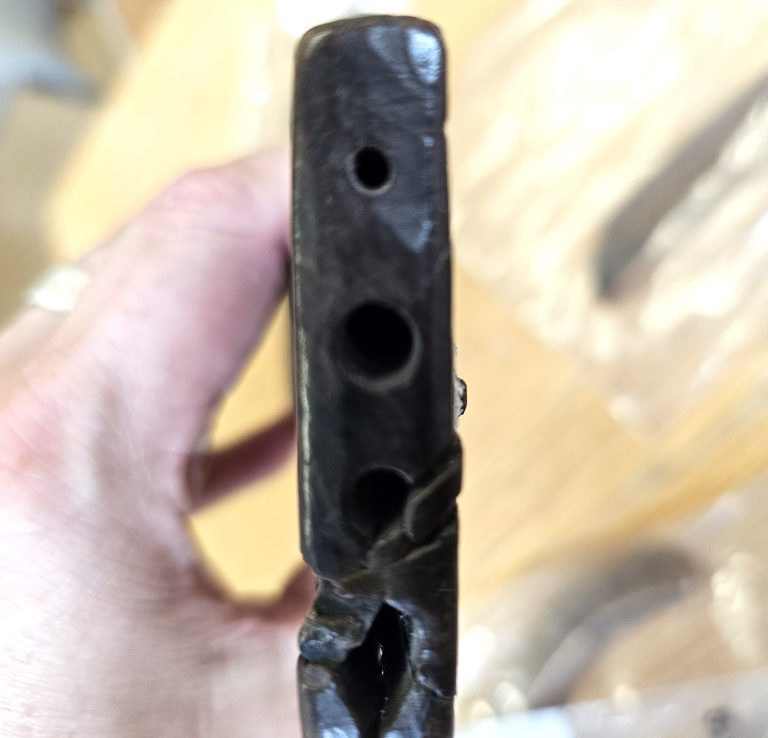
I was impressed by how well used some of these examples are. If the hole got too big, a second hole might have been drilled (see photos) or the hole supplemented with lead to fit the gauge of the pin.
It would be rare to see anyone knitting with a sheath nowadays even in the Dales. I have to admit, seeing the tool fade away saddens me a little. One more obsolete tool that once kept families afloat and made for efficient knitting. But it does make sense, doesn’t it? We knit for such a different purpose today. And with such a variety of stitch patterns, fiber types, yarn constructions, and gauges it’s not terribly practical for knitting in our time. You would need a sheath for every gauge – or use a belt, it’s logical successor, to handle all those gauges. Even though these tools aren’t used much today, I think it’s a great investment to preserve and understand them. It’s even better if you can make or get your hands on one and give it a try! It’s a very efficient was to work especially if you’re interested in knitting a traditional garment.
Would you like to learn how?
And now, for something completely different…
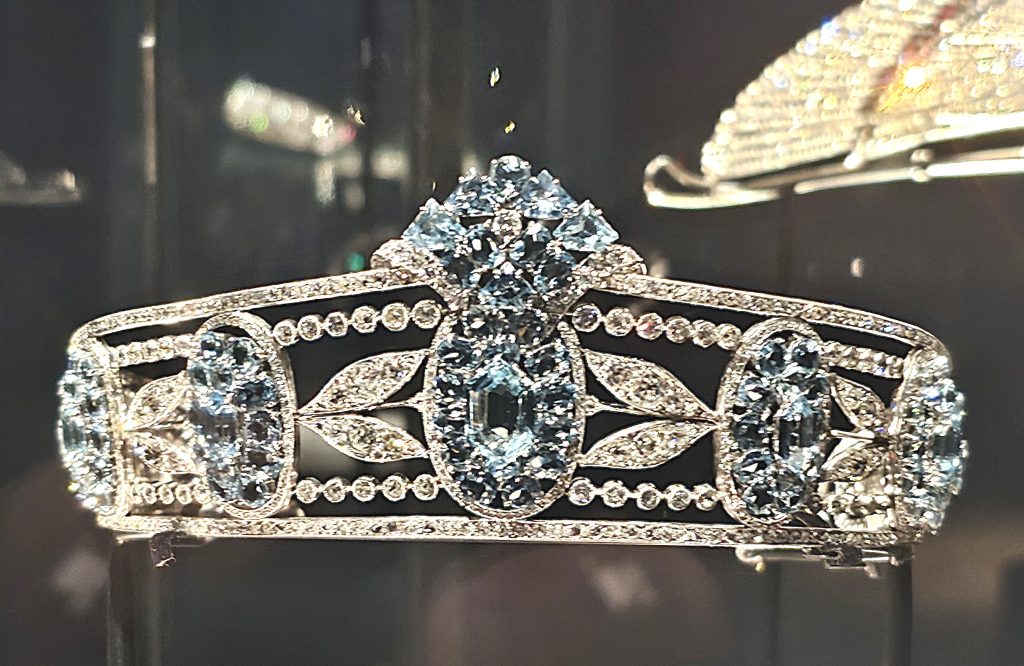
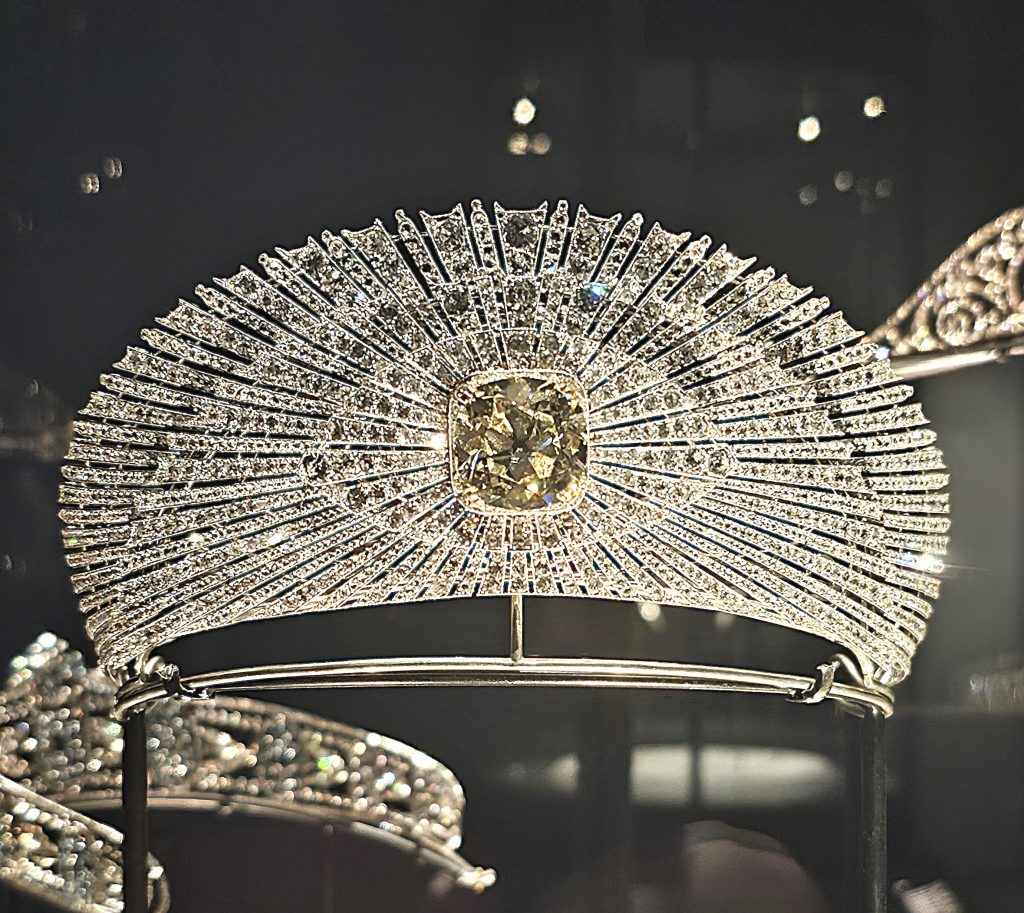
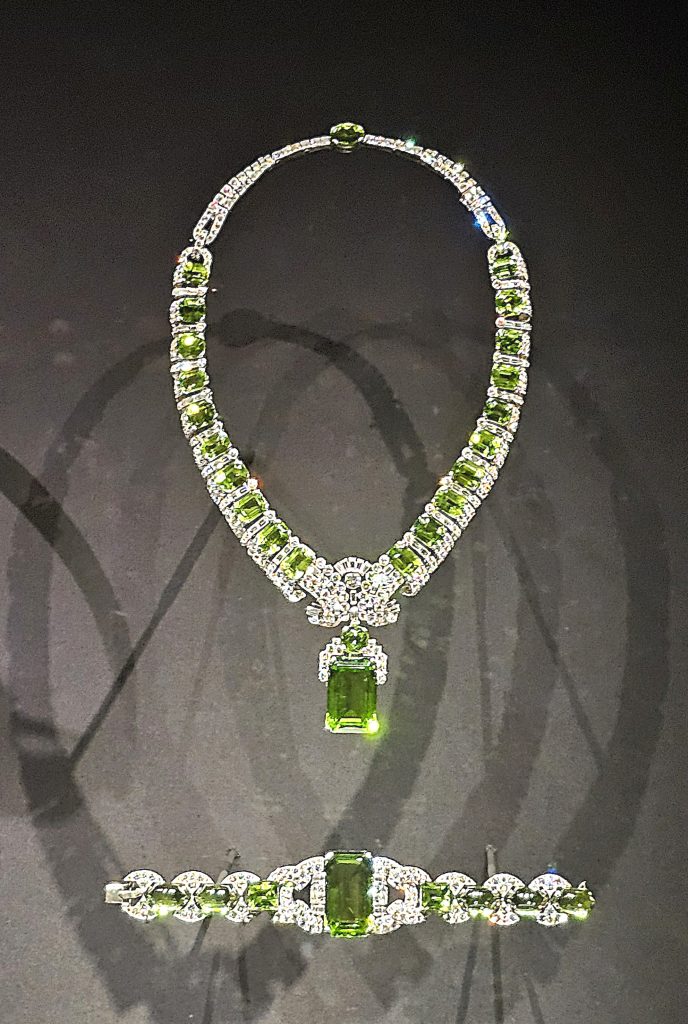
It would be a stretch to relate this to knitting, but the Victoria and Albert has an exhibition of Cartier jewelry on display at the Kensington location. It did not disappoint! I’m a total sucker for bling. No apologies! I’ll just share a couple of the things that made my heart skip a beat and dazzled my eyes. It’s hard to imagine this kind of opulence until you see it. And to see room after room of it is simply unbelievable. As beautiful as these items are, I can’t help but imagine the dark history some of these jewels have. But for now, let’s just be dazzled and enjoy their beauty.